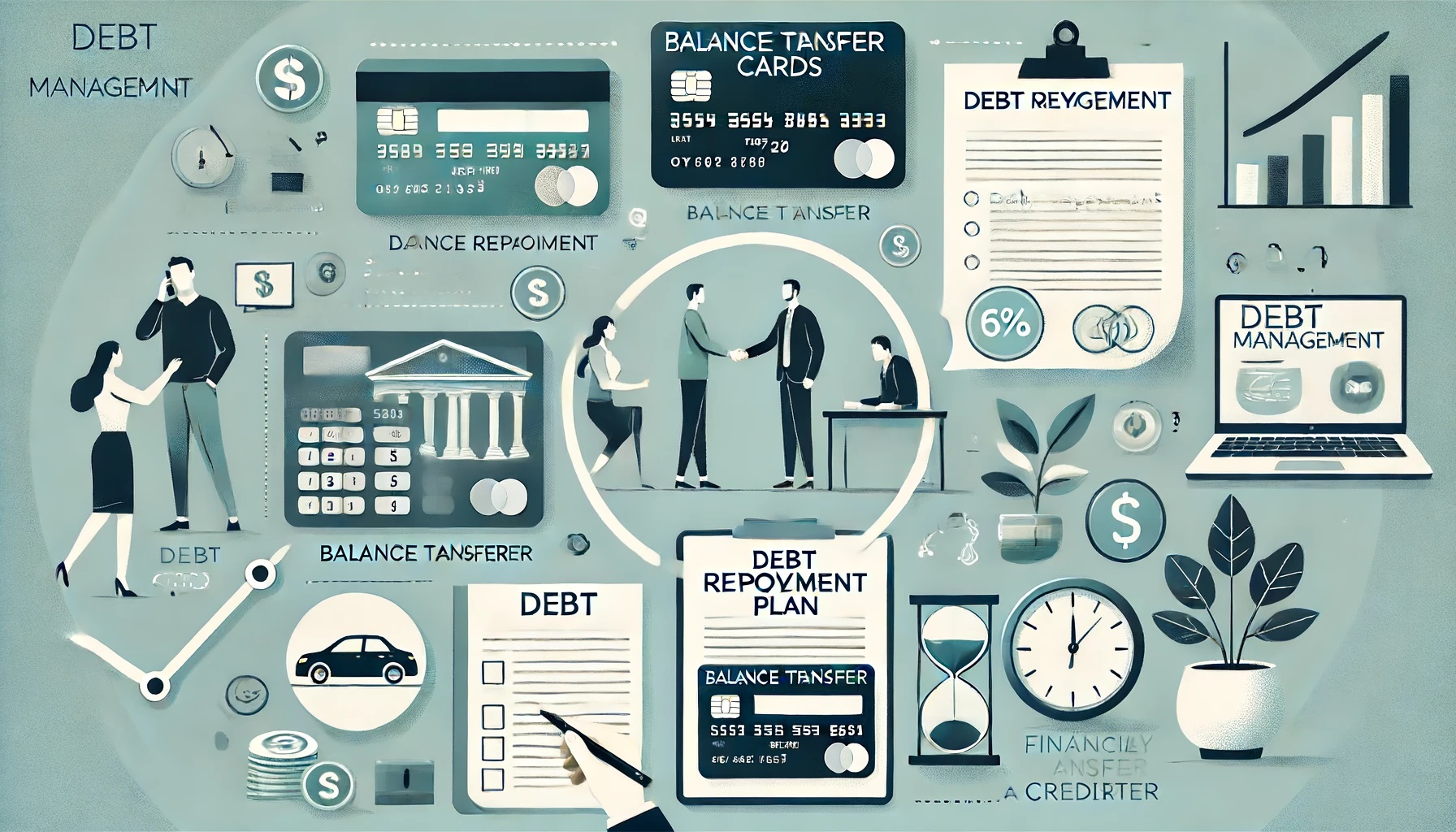
Managing debt is a crucial aspect of financial health. Effective debt management can help you reduce financial stress, improve your credit score, and achieve your financial goals. This blog post outlines seven strategies to help you take control of your debt and work towards financial freedom.
Why Effective Debt Management Matters: High levels of debt can hinder your ability to save, invest, and achieve financial security. By managing your debt effectively, you can reduce interest payments, lower your debt burden, and improve your overall financial situation.
1. Create a Debt Repayment Plan
- List All Debts: Start by listing all your debts, including balances, interest rates, and minimum payments.
- Prioritize Debts: Decide whether to tackle high-interest debts first (debt avalanche method) or pay off smaller debts first (debt snowball method).
2. Consolidate Debt
- Debt Consolidation Loans: Consider consolidating multiple debts into a single loan with a lower interest rate.
- Balance Transfers: Transfer high-interest credit card debt to a card with a lower interest rate or a 0% introductory rate.
3. Negotiate with Creditors
- Lower Interest Rates: Contact your creditors to negotiate lower interest rates or better repayment terms.
- Settlement Offers: If you’re struggling to make payments, ask if they can offer a settlement to pay off a portion of the debt.
4. Automate Payments
- Set Up Automatic Payments: Automate your debt payments to ensure you never miss a due date, avoiding late fees and keeping your credit score intact.
5. Cut Unnecessary Expenses
- Reduce Spending: Identify non-essential expenses you can cut back on and redirect those funds toward paying off your debt.
- Budget Adjustments: Make necessary adjustments to your budget to allocate more money towards debt repayment.
6. Increase Your Income
- Side Hustles: Consider taking on a part-time job or freelance work to boost your income.
- Sell Unwanted Items: Sell items you no longer need to generate extra cash for debt payments.
7. Seek Professional Help
- Credit Counseling: Consult with a credit counseling agency to get advice on managing your debt and creating a repayment plan.
- Debt Management Programs: Enroll in a debt management program if you need more structured assistance.
Effective debt management is essential for achieving financial freedom and reducing financial stress. By implementing these seven strategies, you can take control of your debt, improve your financial health, and work towards a debt-free future. Start today and make a commitment to managing your debt effectively.
 Savvy Finance hub
Leave a comment