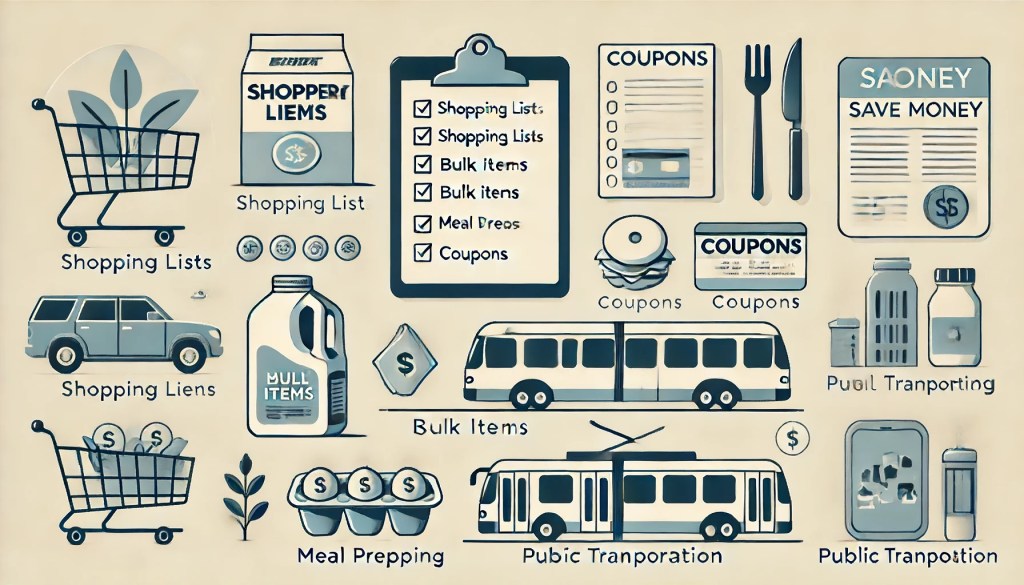
Saving money on everyday expenses can free up funds for investments, debt repayment, or other financial goals. This blog post provides ten practical tips to help you save money on your daily expenses without sacrificing your lifestyle.
Introduction: Managing everyday expenses efficiently can significantly impact your financial health. By adopting smart saving habits, you can reduce your costs and increase your savings. Here are ten practical tips to help you save money on everyday expenses.
1. Create a Budget and Track Your Spending
- Actionable Step: Develop a monthly budget to track your income and expenses. Use budgeting apps to monitor your spending and identify areas to cut back.
- Example: Use an app like Mint or YNAB to track your expenses and ensure you stay within your budget.
2. Shop with a List
- Actionable Step: Make a shopping list before heading to the store and stick to it to avoid impulse purchases.
- Example: Plan your grocery shopping for the week, write down the items you need, and avoid buying anything not on the list.
3. Buy in Bulk
- Actionable Step: Purchase non-perishable items in bulk to save money in the long run. Look for discounts and bulk deals at warehouse stores.
- Example: Buy household essentials like toilet paper, cleaning supplies, and dry goods in bulk from stores like Costco or Sam’s Club.
4. Use Coupons and Discount Codes
- Actionable Step: Look for coupons and discount codes before making purchases. Use apps and websites that aggregate deals and discounts.
- Example: Use apps like Honey or Rakuten to find discount codes and cashback offers for online shopping.
5. Cook at Home
- Actionable Step: Prepare meals at home instead of dining out. Plan your meals and cook in batches to save time and money.
- Example: Meal prep for the week by cooking larger portions and storing them in containers for easy access throughout the week.
6. Reduce Utility Bills
- Actionable Step: Implement energy-saving measures to reduce your utility bills. Use energy-efficient appliances, turn off lights, and unplug devices when not in use.
- Example: Install a programmable thermostat to optimize heating and cooling, and switch to LED bulbs to save on electricity.
7. Cancel Unused Subscriptions
- Actionable Step: Review your subscriptions and cancel any services you no longer use or need.
- Example: Cancel subscriptions to streaming services, magazines, or gym memberships that you rarely use.
8. Use Public Transportation
- Actionable Step: Use public transportation instead of driving to save on fuel, parking, and maintenance costs.
- Example: Take the bus or train to work instead of driving, and use a bike for short trips around town.
9. Limit Online Shopping
- Actionable Step: Avoid browsing online stores when you don’t need to buy anything. Unsubscribe from promotional emails to reduce temptation.
- Example: Only visit online stores when you have a specific item in mind, and use a price comparison tool to ensure you’re getting the best deal.
10. DIY When Possible
- Actionable Step: Do-it-yourself for tasks you can manage, such as home repairs, gardening, and minor car maintenance.
- Example: Fix a leaky faucet or change your car’s oil yourself instead of hiring a professional, and plant a vegetable garden to grow your own produce.
Conclusion: Saving money on everyday expenses requires mindful spending and adopting smart habits. By creating a budget, shopping with a list, buying in bulk, using coupons, cooking at home, reducing utility bills, canceling unused subscriptions, using public transportation, limiting online shopping, and doing tasks yourself, you can significantly reduce your daily expenses and increase your savings. Start implementing these tips today to improve your financial health.
 Savvy Finance hub
Leave a comment