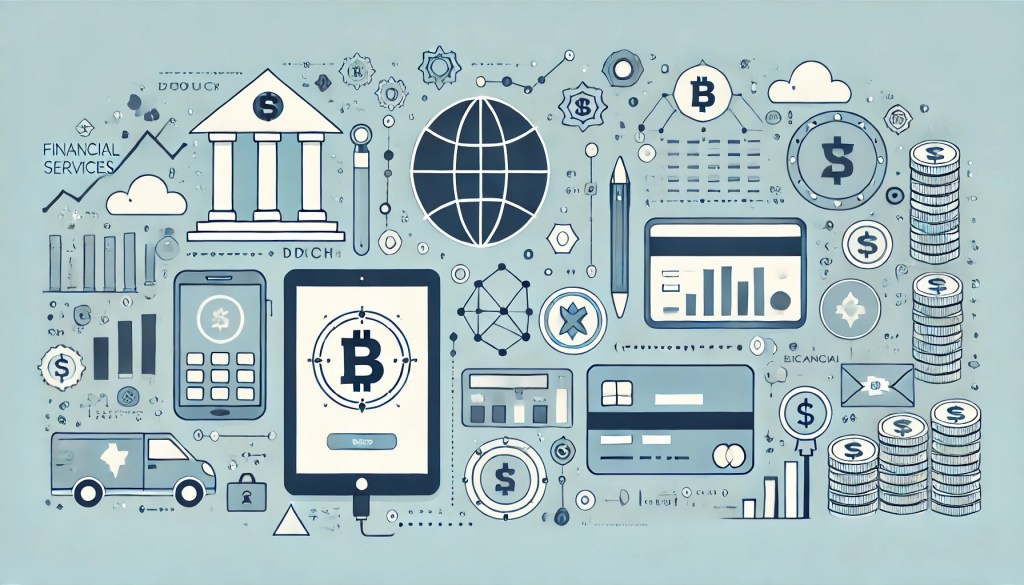
The banking and financial services industry is evolving rapidly with the advent of new technologies and changing consumer expectations. This blog post explores the future trends shaping the industry, including digital banking, fintech innovations, and the rise of blockchain technology.
Introduction: The banking and financial services industry is undergoing a significant transformation. Technological advancements and changing consumer preferences are driving the evolution of financial services, making them more accessible, efficient, and customer-centric. Here’s a look at the key trends shaping the future of banking and financial services.
1. Digital Banking
Explanation: Digital banking involves delivering banking services through digital channels, such as mobile apps and online platforms.
Trends:
- Mobile Banking: Increasing use of smartphones for banking activities, including transfers, payments, and account management.
- AI and Chatbots: Use of artificial intelligence to provide customer service through chatbots and virtual assistants.
- Contactless Payments: Adoption of contactless payment methods for faster and more secure transactions.
Impact on Consumers:
- Convenience: Digital banking offers 24/7 access to banking services from anywhere.
- Efficiency: Streamlined processes reduce the need for in-person visits and paperwork.
- Personalization: AI and data analytics enable personalized financial advice and services.
2. Fintech Innovations
Explanation: Fintech companies are leveraging technology to offer innovative financial products and services, challenging traditional banks.
Trends:
- Peer-to-Peer Lending: Platforms that connect borrowers and lenders directly, bypassing traditional banks.
- Robo-Advisors: Automated investment platforms that provide personalized investment advice based on algorithms.
- Digital Wallets: Mobile apps that allow users to store, send, and receive money digitally.
Impact on Consumers:
- Accessibility: Fintech solutions make financial services more accessible to underserved populations.
- Cost-Effectiveness: Lower fees and competitive rates compared to traditional banking services.
- Innovation: New financial products and services that cater to evolving consumer needs.
3. Blockchain and Cryptocurrencies
Explanation: Blockchain technology and cryptocurrencies are revolutionizing the financial industry by enabling decentralized and secure transactions.
Trends:
- Decentralized Finance (DeFi): Financial services built on blockchain technology, offering decentralized alternatives to traditional banking.
- Cryptocurrency Adoption: Increasing acceptance of cryptocurrencies for payments and investments.
- Smart Contracts: Self-executing contracts with the terms of the agreement directly written into code.
Impact on Consumers:
- Security: Blockchain provides enhanced security and transparency for financial transactions.
- Efficiency: Reduced need for intermediaries, leading to faster and cheaper transactions.
- Financial Inclusion: Access to financial services for individuals without traditional banking access.
4. Open Banking
Explanation: Open banking allows third-party developers to build applications and services around financial institutions, enabling greater data sharing and collaboration.
Trends:
- API Integration: Use of Application Programming Interfaces (APIs) to facilitate data sharing between banks and third-party providers.
- Personal Finance Management: Apps that aggregate financial data from multiple sources to provide a comprehensive view of finances.
- Enhanced Competition: Increased competition among financial service providers, leading to better products and services for consumers.
Impact on Consumers:
- Transparency: Greater visibility into financial transactions and data.
- Control: Consumers have more control over their financial data and how it’s used.
- Innovation: New and improved financial products and services driven by competition and collaboration.
5. Sustainability and Ethical Banking
Explanation: Sustainable and ethical banking focuses on socially responsible and environmentally friendly banking practices.
Trends:
- Green Finance: Investment in projects that promote environmental sustainability.
- Social Impact Investing: Investments that generate social and environmental benefits alongside financial returns.
- Transparency and Accountability: Greater emphasis on transparent and ethical banking practices.
Impact on Consumers:
- Alignment with Values: Opportunities to invest in and support causes that align with personal values.
- Positive Impact: Contributing to positive social and environmental outcomes through financial decisions.
- Informed Choices: Access to information about the social and environmental impact of financial products and services.
Conclusion: The future of banking and financial services is being shaped by digital innovation, fintech advancements, blockchain technology, open banking, and a focus on sustainability. These trends are making financial services more accessible, efficient, and customer-centric. By staying informed and adapting to these changes, consumers can take advantage of the opportunities presented by the evolving financial landscape.
 Savvy Finance hub
Leave a comment