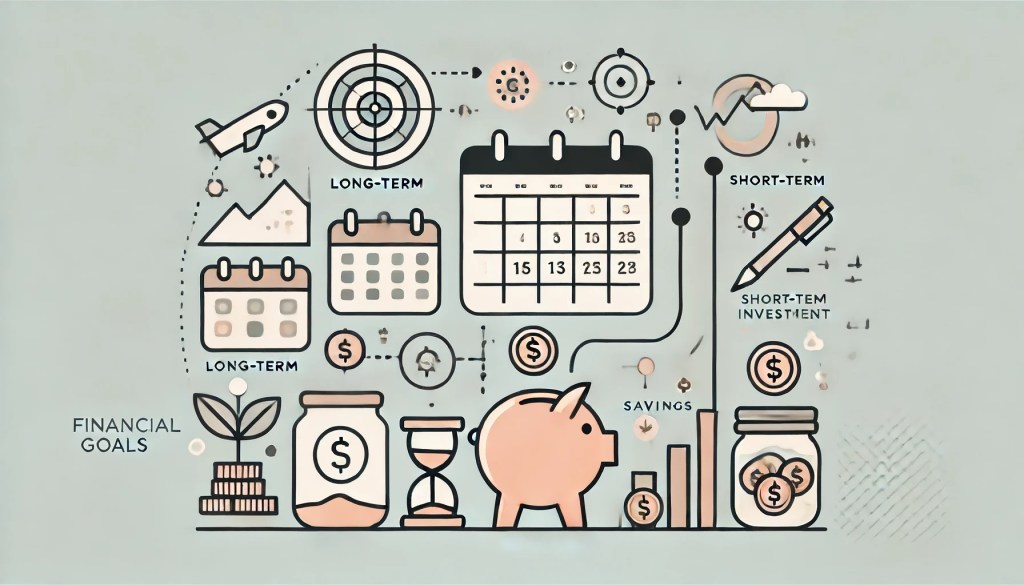
Setting financial goals is crucial for managing your money effectively and achieving financial success. This blog post explores the differences between long-term and short-term financial goals, providing strategies to achieve both.
Introduction: Financial goals provide direction and purpose for your financial decisions. Understanding the difference between long-term and short-term financial goals can help you plan effectively and achieve financial stability. Here’s a guide to setting and achieving both types of financial goals.
1. Understanding Short-Term Financial Goals
Definition:
- Short-Term Financial Goals: Goals that can be achieved within a year or less.
Examples:
- Building an Emergency Fund: Saving three to six months’ worth of living expenses.
- Paying Off Credit Card Debt: Reducing or eliminating high-interest debt.
- Saving for a Vacation: Setting aside money for an upcoming trip.
Strategies:
- Set Specific Targets: Define clear and specific goals.
- Example: “Save $1,000 for an emergency fund within six months.”
- Create a Budget: Allocate funds towards your short-term goals.
- Example: “Save $200 per month for the next five months.”
- Automate Savings: Set up automatic transfers to your savings account.
- Example: “Automate a $50 weekly transfer to your emergency fund.”
2. Understanding Long-Term Financial Goals
Definition:
- Long-Term Financial Goals: Goals that take more than five years to achieve.
Examples:
- Saving for Retirement: Building a substantial nest egg for retirement.
- Buying a Home: Saving for a down payment on a house.
- Funding Education: Saving for your child’s college education.
Strategies:
- Start Early: Begin saving and investing as early as possible to take advantage of compound interest.
- Example: “Start contributing to a 401(k) or IRA in your 20s.”
- Diversify Investments: Spread your investments across different asset classes to minimize risk.
- Example: “Invest in a mix of stocks, bonds, and real estate.”
- Review and Adjust: Regularly review your progress and adjust your strategies as needed.
- Example: “Rebalance your investment portfolio annually.”
3. Balancing Short-Term and Long-Term Goals
Explanation: Balancing short-term and long-term goals is essential for overall financial health.
Tips:
- Prioritize Goals: Determine which goals are most important and allocate resources accordingly.
- Example: “Prioritize building an emergency fund before investing heavily in the stock market.”
- Create a Timeline: Develop a timeline that includes both short-term and long-term goals.
- Example: “Plan to pay off credit card debt within a year and save for a home down payment over five years.”
- Stay Flexible: Be prepared to adjust your goals and strategies as your financial situation changes.
- Example: “Reevaluate your goals if you receive a significant pay raise or face unexpected expenses.”
4. Tools and Resources
Explanation: Utilizing tools and resources can help you stay on track with your financial goals.
Tools:
- Budgeting Apps: Use apps like Mint, YNAB (You Need a Budget), or PocketGuard to track spending and savings.
- Investment Platforms: Use platforms like Vanguard, Fidelity, or Betterment to manage your investments.
- Financial Planners: Consider working with a financial advisor to develop and implement a comprehensive financial plan.
Conclusion: Setting and achieving both short-term and long-term financial goals is crucial for financial success. By understanding the differences between these goals and implementing effective strategies, you can build a secure financial future. Prioritize your goals, create a balanced plan, and use available tools to stay on track. Start setting your financial goals today and work towards a brighter financial future.
 Savvy Finance hub
Leave a comment