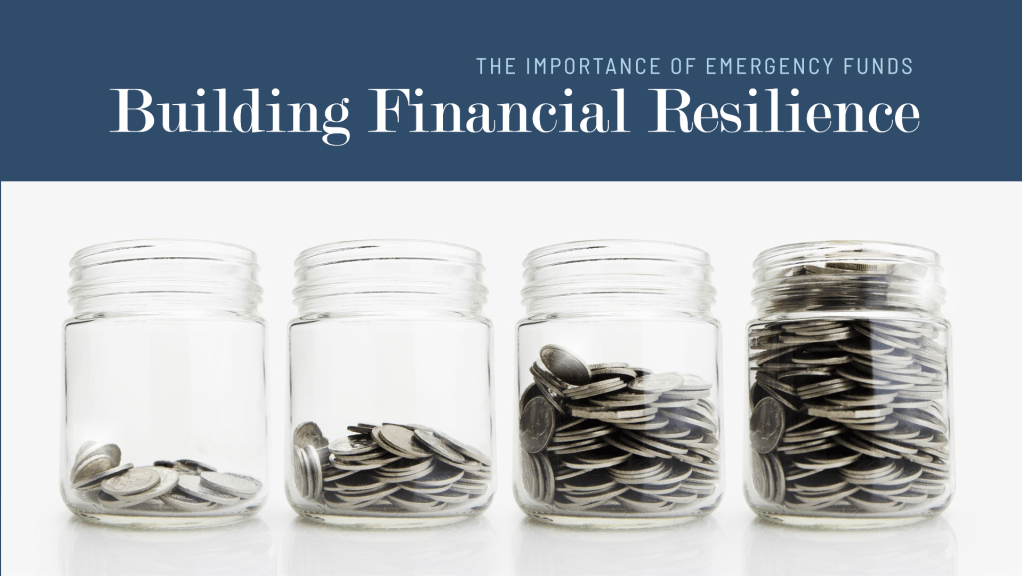
An emergency fund is a crucial component of a sound financial plan, providing a financial safety net that can help you navigate unexpected expenses and financial challenges. Here’s an extensive guide on the importance of emergency funds and how to build one:
1. What is an Emergency Fund?
An emergency fund is a savings reserve specifically set aside to cover unforeseen expenses such as medical emergencies, car repairs, home maintenance, or sudden job loss. Unlike other savings, an emergency fund is easily accessible and meant to provide immediate financial relief during crises.
2. Benefits of Having an Emergency Fund:
Financial Security and Peace of Mind:
- Knowing you have a financial cushion to fall back on reduces stress and anxiety. It provides peace of mind that you can handle unexpected situations without compromising your financial stability.
Avoiding Debt:
- Without an emergency fund, unexpected expenses often lead to debt, as individuals may rely on credit cards or loans to cover costs. An emergency fund allows you to handle these expenses without accruing high-interest debt.
Flexibility and Financial Independence:
- An emergency fund gives you the flexibility to make decisions without financial pressure. Whether it’s leaving an unsatisfactory job, relocating, or taking a career break, having a financial safety net provides the independence to make choices that align with your long-term goals.
Maintaining Financial Goals:
- Unexpected expenses can derail your financial plans. An emergency fund ensures that your long-term financial goals, such as saving for retirement or buying a home, remain on track even during challenging times.
3. How to Build an Emergency Fund:
Set a Savings Goal:
- Determine the amount you need based on your monthly expenses. A common recommendation is to save three to six months’ worth of living expenses. Adjust this amount based on your personal circumstances and risk tolerance.
Start Small and Be Consistent:
- Building an emergency fund doesn’t happen overnight. Start by setting aside a small portion of your income regularly. Consistency is key; even small contributions add up over time.
Automate Your Savings:
- Set up automatic transfers from your checking account to your savings account. This ensures that you save regularly without having to think about it, making it easier to build your fund over time.
Cut Unnecessary Expenses:
- Review your budget and identify areas where you can cut back. Redirect these savings to your emergency fund. Simple changes, such as cooking at home more often or canceling unused subscriptions, can make a significant difference.
Save Windfalls and Bonuses:
- Use unexpected income, such as tax refunds, bonuses, or gifts, to boost your emergency fund. These windfalls can help you reach your savings goal faster.
4. Best Practices for Managing Your Emergency Fund:
Keep it Accessible but Separate:
- Your emergency fund should be easily accessible but separate from your regular checking account. Consider using a high-yield savings account to earn interest while keeping your funds readily available.
Avoid Using it for Non-Emergencies:
- Discipline is crucial. Only use your emergency fund for genuine emergencies. For non-essential expenses, rely on your regular budget or other savings.
Regularly Review and Adjust:
- Life circumstances change, and so should your emergency fund. Regularly review your savings goal and adjust based on changes in your expenses, income, or financial goals.
Replenish After Use:
- If you need to use your emergency fund, prioritize replenishing it as soon as possible. Make it a financial priority to restore your safety net to its full amount.
Call to Action: Start building your emergency fund today to ensure financial resilience and peace of mind. Small, consistent savings can provide a significant safety net for your future.
 Savvy Finance hub
Leave a comment