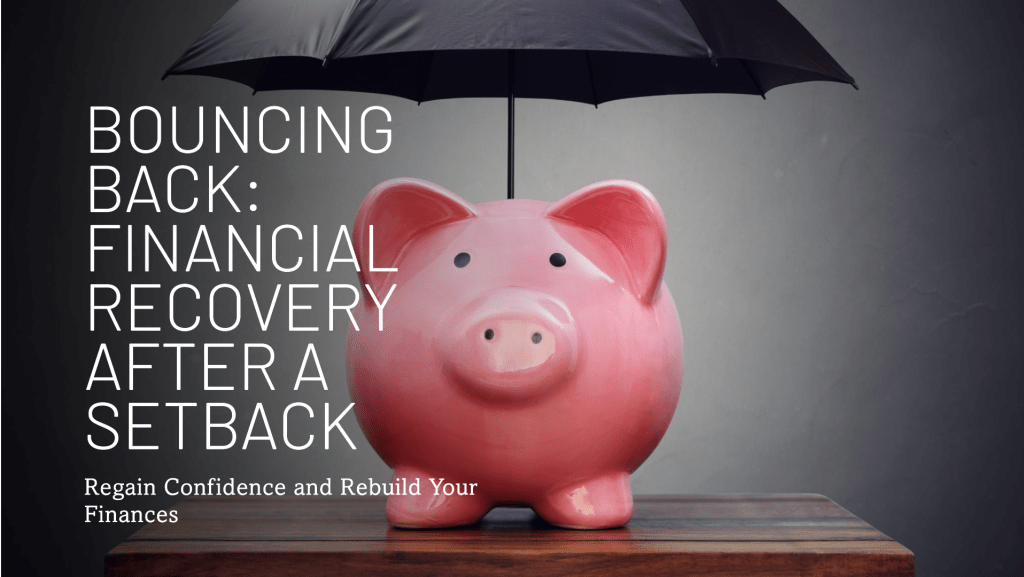
Life is full of unexpected challenges—job loss, medical emergencies, or economic downturns can derail even the best financial plans. While these setbacks can feel overwhelming, recovery is always possible with the right strategies and mindset. The key is to focus on rebuilding your financial foundation, regaining confidence, and creating a roadmap for future stability.
In this guide, we’ll explore actionable steps to recover from financial setbacks and build a stronger, more resilient financial future.
Why Financial Recovery is Important
Recovering from a financial setback is more than just rebuilding your bank account—it’s about regaining a sense of control and confidence. A solid recovery plan helps you:
- Address immediate financial challenges.
- Rebuild savings and reduce debt.
- Create a foundation for long-term financial success.
Step 1: Assess the Damage
The first step in financial recovery is understanding the full extent of the setback.
- Review Your Finances: Examine your bank statements, bills, and debts to get a clear picture of your situation.
- Identify Immediate Needs: Prioritize essential expenses like housing, utilities, and groceries.
- Evaluate Income Changes: Determine if your income has been reduced and adjust accordingly.
Try This: Create a list of all expenses and categorize them as “essential” or “non-essential.” Focus on covering the essentials first.
Step 2: Create a Recovery Budget
A recovery budget helps you prioritize spending and focus on rebuilding your financial health.
- Focus on Essentials: Allocate funds for housing, food, utilities, and transportation.
- Cut Non-Essential Expenses: Pause discretionary spending like dining out or subscription services.
- Set Aside for Emergencies: Even small contributions to an emergency fund can make a difference.
Try This: Use a budgeting app like Mint or PocketGuard to create a lean, recovery-focused budget.
Step 3: Address Debt Strategically
If your setback has left you with debt, creating a repayment plan is crucial.
- Communicate with Creditors: Many lenders offer hardship programs or temporary payment relief.
- Prioritize High-Interest Debt: Focus on paying off credit cards or loans with the highest interest rates first.
- Consider Consolidation: Explore options like personal loans or balance transfer credit cards to simplify payments and lower interest rates.
Try This: Reach out to one creditor this week to discuss hardship options or negotiate payment terms.
Step 4: Rebuild Your Emergency Fund
An emergency fund is your safety net against future setbacks. Even small contributions add up over time.
- Start Small: Aim for $500 to $1,000 as an initial goal.
- Automate Savings: Set up automatic transfers to a dedicated savings account.
- Save Windfalls: Direct bonuses, tax refunds, or other unexpected income toward your fund.
Try This: Open a high-yield savings account to maximize interest on your emergency fund contributions.
Step 5: Increase Your Income
Boosting your income can accelerate recovery and help you regain financial stability.
- Take on Temporary Work: Explore gig economy jobs or part-time roles.
- Leverage Your Skills: Offer freelance or consulting services in your area of expertise.
- Sell Unused Items: Declutter your home and sell items you no longer need on platforms like eBay or Facebook Marketplace.
Try This: Dedicate one evening a week to exploring and applying for side gigs or freelance opportunities.
Step 6: Rebuild Financial Confidence
A setback can shake your confidence, but rebuilding it is key to long-term success.
- Focus on Progress: Celebrate small wins, like paying off a debt or reaching a savings milestone.
- Practice Gratitude: Reflect on what you still have and the steps you’re taking to improve.
- Set Achievable Goals: Start with short-term goals, like saving $100, and build momentum.
Try This: Write down one financial win each week to remind yourself of your progress.
Step 7: Plan for the Future
Once you’ve stabilized your finances, focus on creating a plan to prevent future setbacks.
- Diversify Income Streams: Explore ways to create passive income or add additional revenue sources.
- Strengthen Your Financial Core: Revisit your budget, emergency fund, and debt management strategies.
- Seek Professional Advice: Consult a financial advisor to create a long-term plan.
Try This: Dedicate 30 minutes this month to researching financial planning services or tools.
Conclusion
Recovering from a financial setback is a challenging but rewarding process. By assessing the damage, creating a recovery budget, addressing debt, and rebuilding your confidence, you can regain control of your finances and set yourself up for future stability. Remember, recovery is a journey, and every small step brings you closer to your goals.
For more tips on building financial resilience, check out “The 20 Unbreakable Rules of Personal Finance” here.
 Savvy Finance hub
Leave a comment